Showing posts with label complex social issues. Show all posts

Monday, November 13, 2023

Addressing Complex Social Issues in the Agricultural Supply Chain: A Journey Towards Sustainability and Inclusion

The complex social issues that are an integral part of the agricultural supply chain and production chain have been a matter of concern for quite some time now. From changing industry dynamics to the rights of migrant workers, child rights, and the violation of safety and health standards, the challenges are plenty. In this article, we will explore some intelligent and creative approaches to address these issues and create a more sustainable and inclusive supply chain.

One of the key factors that need to be addressed when it comes to the social issues in the agricultural supply chain is education and awareness. Many stakeholders, including suppliers, workers, and consumers, may not be fully aware of the impact their actions have on the lives of others involved in the supply chain. Therefore, it becomes crucial to create programs and initiatives that aim at educating and raising awareness about these issues.

Education can take various forms, such as training programs for suppliers and workers, workshops and seminars for consumers, and awareness campaigns through social media and other communication channels. By providing information and knowledge about the social issues and their consequences, we can encourage behavioral change and ultimately create a more ethical and responsible supply chain.

Capacity building is another important aspect that needs to be addressed. By empowering suppliers and workers with the necessary skills and knowledge, we can enable them to uphold and implement the highest standards of social responsibility. This can be done through training programs that focus on topics such as child rights, safety and health measures, and fair labor practices.

Collaboration is also key to addressing the complex social issues in the agricultural supply chain. No single stakeholder can tackle these challenges alone. Therefore, it is important to foster partnerships and collaborations between different organizations, including NGOs, government agencies, suppliers, and consumers. By joining forces, these stakeholders can share resources, expertise, and best practices to create a more sustainable and inclusive supply chain.

For example, organizations like Prerana have been working on sustainable agriculture and social issues in rural areas. By collaborating with similar organizations, they have been able to create a network of support and expertise that helps address the challenges faced by farmers and workers. By pooling their resources and knowledge, these organizations can create more effective and impactful initiatives.

Furthermore, it is crucial to engage with the informal supply chain. Often, the most vulnerable workers are part of this sector, which lacks formal regulations and oversight. By establishing standards and guidelines specifically tailored to the informal sector, we can ensure that these workers are protected and their rights are upheld. This can be achieved through dialogue and engagement with stakeholders in the informal supply chain, providing them with the necessary support and resources to improve their working conditions.

It is also important to acknowledge that change takes time and effort. Creating a more sustainable and inclusive agricultural supply chain requires a long-term commitment from all stakeholders involved. It may involve overcoming resistance, cultural barriers, and financial constraints. However, the potential benefits, both in terms of social impact and business sustainability, make it a worthy endeavor.

The Indian government has also started taking steps to address these issues by implementing more stringent standards. It is crucial for all stakeholders to comply with these standards and work towards continuous improvement. This includes conducting regular audits and evaluations of supply chain practices to ensure compliance and identify areas for further improvement.

In conclusion, addressing the complex social issues in the agricultural supply chain requires a multi-faceted approach. Education, awareness, capacity building, collaboration, and engagement with the informal sector are all crucial elements of this approach. By implementing intelligent and creative initiatives, we can create a more sustainable and inclusive supply chain that respects the rights and well-being of all those involved. It is a journey that requires commitment, but the rewards are immense.

Saturday, November 11, 2023

Transforming the Agriculture and Production Chain: Addressing Complex Social Issues through Responsible Practices and Innovation

Introduction:

Complex social issues are deeply intertwined with the acrobats supply chain in agriculture and production. From the challenges faced by migrant workers to child rights violations and health and safety concerns, there is a pressing need to address these issues for the betterment of the industry and society as a whole. In this article, we will explore the various dimensions of these social issues and propose innovative solutions to create a more responsible and sustainable supply chain.

I. Understanding the Complex Social Landscape:

To effectively address the social issues in the agriculture and production chain, it is crucial to have a comprehensive understanding of the challenges at hand. These challenges can be categorized into three main areas:

1. Migrant Worker Issues:
Migrant workers often face exploitation, poor working conditions, and limited access to basic rights such as healthcare and education. Their vulnerability arises from limited legal protection, language barriers, and their temporary status within the supply chain.

2. Child Rights Violations:
Child labor is prevalent in many areas of the agriculture and production chain. Children are engaged in hazardous work, depriving them of their right to education, affecting their physical and mental well-being, and perpetuating intergenerational poverty.

3. Health and Safety Concerns:
Working conditions in agriculture and production can be hazardous, exposing workers to physical injuries, exposure to harmful chemicals, and long-term health consequences. Lack of proper safety standards and monitoring exacerbate these risks.

II. The Role of Stakeholders:

Addressing these complex social issues requires the collective effort of all stakeholders involved, including government bodies, corporations, NGOs, consumers, and local communities. By synergizing their efforts, a transformative change can be achieved:

1. Government Intervention:
The government has a vital role in creating and enforcing regulations that protect the rights of workers, including adequate wages, working conditions, and access to education and healthcare. Strengthening labor laws and monitoring systems is crucial to foster responsible practices.

2. Corporate Responsibilities:
Companies must take accountability and actively engage in implementing ethical practices throughout their supply chains. This includes thorough due diligence, supplier auditing, and training programs to ensure fair wages, safe working conditions, and eliminating child labor.

3. Consumer Awareness and Demand:
Consumers play a pivotal role in driving change by demanding ethically sourced products. Through increased awareness and responsible purchasing decisions, consumers can promote a market shift towards sustainability and social responsibility.

4. Collaboration and Partnerships:
Creating alliances between governments, corporations, NGOs, and local communities can foster innovation and knowledge-sharing. Collaborative initiatives can identify best practices, share resources, and collectively tackle the multifaceted challenges of the agriculture and production chain.

III. Education and Skill Development:

Investing in education and skill development is a fundamental step towards breaking the cycle of poverty and eradicating child labor. Both formal and informal education programs must be provided to ensure that children receive quality education, empowering them with the necessary knowledge and opportunities for a brighter future. Additionally, providing vocational training and capacity-building programs for adults can enhance their employability and enable them to access better working conditions.

IV. Promoting Sustainable Agriculture Practices:

Sustainable agriculture not only focuses on environmental stewardship but also prioritizes social equity. Practices such as fair trade, organic farming, and agroecology can promote responsible supply chains that respect human rights and cultivate long-term community well-being. By supporting small-scale farmers and adopting sustainable agricultural practices, the industry can contribute to poverty reduction and social empowerment.

V. Technology and Innovation:

Harnessing technology and innovation can revolutionize the agriculture and production chain, making it more transparent, efficient, and accountable. Tools such as blockchain can ensure traceability and visibility across the supply chain, reducing the risk of labor exploitation and promoting fair practices. Furthermore, technological advancements can streamline operations, improve worker safety, and increase productivity, leading to better living and working conditions.


Addressing the complex social issues within the agriculture and production chain requires a holistic approach encompassing policy reforms, corporate responsibility, consumer awareness, education, sustainable practices, and technological innovation. By embracing these strategies, we can build a supply chain that is not only economically viable but also socially responsible and environmentally sustainable. It is the collective responsibility of all stakeholders to work towards this transformative change, creating a better future for both the industry and society as a whole.

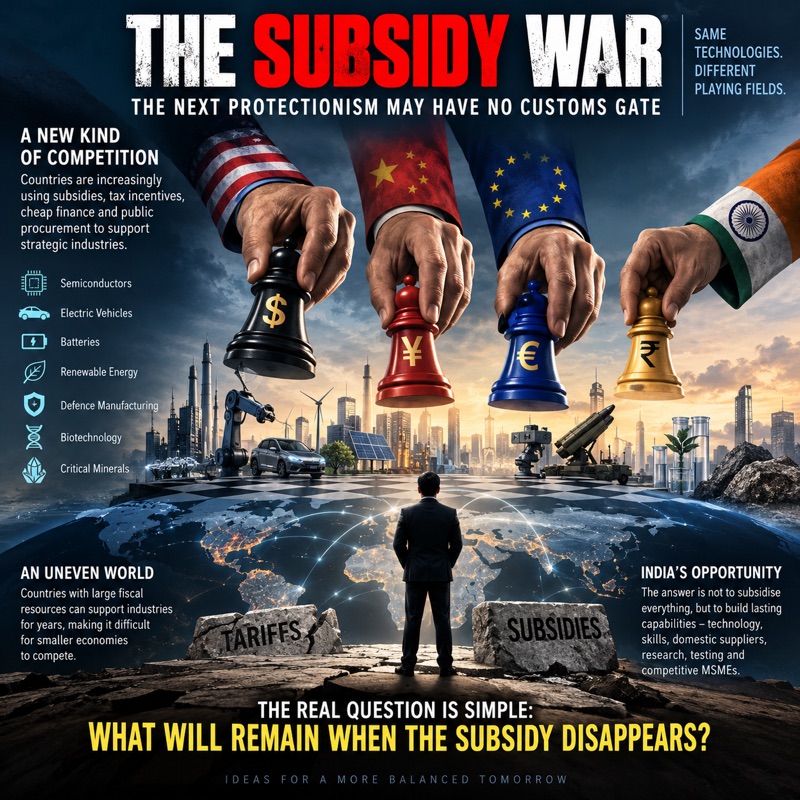
The Subsidy War: When Governments Become Competitors

For much of the last three decades, the visible face of protectionism was the tariff. Governments raised duties, imposed quotas or restricte...