Showing posts with label government support. Show all posts

Friday, November 17, 2023

Sustainability Challenges and Strategies for Sustainable Businesses: Non-repairable Products, Customer Loyalty, Government Support, and Skill Transformation

Sustainable businesses play a crucial role in protecting the environment and ensuring the well-being of future generations. However, they face several challenges, including sustainability issues related to non-repairable and non-upgradable products, the need for customer loyalty, the existence of desires and fears, the importance of government support, and the transformation of skills.

One of the fundamental principles of sustainability is the promotion of products that can be repaired and upgraded. Non-repairable products contribute to the accumulation of  waste and the depletion of natural resources. When products are not designed for repair and upgrade, consumers are often forced to discard them and purchase new ones. This leads to increased consumption and waste generation, creating an unsustainable cycle. Sustainable businesses address this issue by designing products that are easy to repair and upgrade. By using modular designs and standardized components, these businesses allow consumers to replace only the necessary parts, extending the lifespan of the product and reducing waste.

However, creating repairable and upgradable products is not enough on its own. Sustainable businesses also need to establish customer loyalty to encourage consumers to choose their products over competing alternatives. Building loyalty requires not only providing high-quality products but also delivering exceptional customer service and creating positive brand experiences. Sustainable businesses can achieve this by prioritizing transparency, engaging in open and honest communication with customers, and actively seeking feedback to continuously improve their products and services.

While customer loyalty is crucial, it is not always easy to achieve. Consumers may desire more sustainable products, but they may also face fears and concerns when considering these alternatives. Some of these fears may include worries about the initial cost of sustainable products, concerns about the reliability and durability of eco-friendly options, or resistance to change due to habit or familiarity. Sustainable businesses must address these fears by educating consumers about the long-term benefits of sustainable products, showcasing their reliability, and offering incentives to overcome initial cost barriers. By addressing these concerns, sustainable businesses can build trust and loyalty with their customers over time.

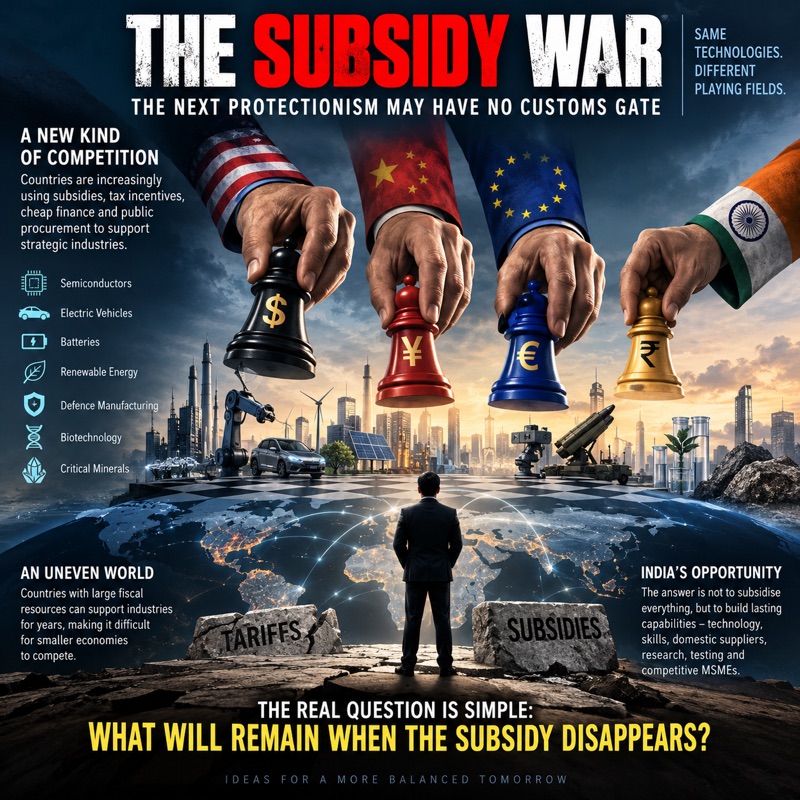
Government support is another critical element for the success of sustainable businesses. The government plays a vital role in creating an enabling environment through policies, regulations, and incentives that promote sustainable practices. These can include tax incentives for businesses that incorporate sustainable principles, grants for research and development of environmentally friendly products, or regulatory requirements that encourage energy efficiency and waste reduction. By providing support at the policy level, governments can incentivize and accelerate the adoption of sustainable practices, making it easier for businesses to operate sustainably.

Additionally, the transformation of skills is essential for the success of sustainable businesses. As the demand for sustainable products and services increases, there is a need for professionals with the skills and knowledge to design, produce, market, and manage these products. Sustainable businesses need employees who can develop innovative solutions, understand environmental and societal impacts, and communicate effectively with customers. To address this need, educational institutions, training programs, and vocational schools should incorporate sustainability into their curricula, preparing individuals for careers in sustainable businesses.

In conclusion, sustainable businesses face a range of challenges related to sustainability issues such as non-repairable and non-upgradable products, customer loyalty, desires and fears, the importance of government support, and the transformation of skills. However, these challenges can be addressed through various strategies. Designing repairable and upgradable products is essential in reducing waste and conserving resources. Building customer loyalty requires transparency, excellent customer service, and addressing fears and concerns. Governments should provide support through policies, regulations, and incentives that promote sustainable practices. Lastly, the transformation of skills is crucial to ensure a workforce equipped to meet the demands of sustainable businesses. By addressing these challenges, sustainable businesses can contribute to a more sustainable and environmentally friendly future.

Monday, November 13, 2023

Sector-Specific Reporting: Overcoming Challenges for a Sustainable Future

Introduction: 
The need for companies to report their activities and financial figures accurately and transparently is essential for various stakeholders, including investors, regulators, and the public. However, achieving a comprehensive reporting framework that caters to the specific needs of each business sector has proven to be challenging. This article examines the hindrances faced in implementing sector-specific reporting standards and proposes potential solutions to foster sustainable business practices in the future.

The Government's Role in Signaling Compliance: 
One of the primary roadblocks to sector-specific reporting lies in the signaling from the government. In many cases, the long-term vision and commitment from the authorities are absent. Businesses need clear guidance and regulations from the government to understand the importance of reporting standards in their specific sectors. Without this support, compliance efforts are often half-hearted, hindering progress towards sustainability.

The Importance of Deepening Sector Compliance: 
Deepening sector compliance requires businesses to go beyond the minimum reporting standards and embrace a more comprehensive approach. By delving deeper into the specifics of each sector, companies can identify the unique challenges and opportunities related to sustainability. This proactive approach allows businesses to address these concerns effectively, ultimately driving positive change and improved reporting standards.

Gradual Increases and Clear Signaling:
While sector compliance remains in its early stages, there is a gradual increase in its importance. In India, for instance, both domestic and international companies are recognizing the need to align with global reporting standards, particularly in facing Western markets. The signaling from industry regions, as well as the increasing ecosystem, indicates that stronger compliance measures are on the horizon. The challenge lies in creating critical measurement tools to assess the effectiveness of sector-specific reporting.

Fragmentation in Sector Reporting: 
When it comes to reporting within sectors and subsectors, fragmentation becomes a significant obstacle. With diverse products and services, achieving standardized reporting conventions is challenging. However, businesses should strive for minimum standardization within key sensitive sectors. By focusing on these critical areas, companies can ensure sustainability goals are met, facilitating sector-wide progress.

The Importance of Sector-Level Measurement: 
As the reporting ecosystem evolves, sector-level measurements are crucial to gain a holistic understanding of the sustainability practices within specific industries. While addressing general reporting standards is essential, the unique challenges and implications of sustenance in specific sectors need to be accounted for. By incorporating sector-level measurements, stakeholders can identify areas that require urgent attention, bringing about more effective and impactful solutions.

Implications for Sustainable Business Practices: 
Implementing sector-specific reporting standards can have profound implications for sustainability. By focusing on relevant sectors that have a significant impact on sustainable practices, companies can foster long-term changes. With improved reporting tools and a commitment to standardized reporting, businesses can uncover opportunities to enhance their environmental, social, and governance (ESG) performance, leading to positive societal and economic outcomes.

Conclusion: 
While sector-specific reporting presents challenges, it is a necessary step towards achieving sustainable business practices. Governments must provide clear signals and frameworks for compliance, enabling businesses to understand the importance of accurate reporting within their sectors. Building on minimum standardization within key sensitive sectors is vital to driving progress. Additionally, sector-level measurements allow for a comprehensive understanding of sustainability practices, identifying areas that require immediate attention. By embracing sector-specific reporting, companies can enhance their ESG performance, leading to a more sustainable future.

Friday, October 27, 2023

Embracing Work-Life Harmony: Advancing Family-Friendly Policies for Corporate Responsiveness in the Indian Business Landscape

Introduction:
In an era of rapidly evolving corporate landscapes, organizations are increasingly recognizing the significance of corporate responsible behavior (CRB) and family-friendly policies. The Indian corporate sector, too, has witnessed the emergence of these principles as integral pillars of sustainable and inclusive business practices. This article aims to explore the progress made by Indian corporations in embracing family-friendly policies, critically analyze the existing challenges, and propose recommendations to further enhance corporate responsible behavior in this domain.

The Importance of Corporate Responsible Behavior and Family-Friendly Policies:
Corporate responsible behavior entails the conscious effort by corporations to balance the interests of their stakeholders, including employees, customers, suppliers, shareholders, and the community. It allows organizations to cultivate a positive reputation, establish trust, and attract and retain top talent.

Family-friendly policies, on the other hand, are designed to support employees with families. By offering flexible work arrangements, paid parental leave, and childcare assistance, corporations can empower their employees to achieve a harmonious work-life balance. These policies have the potential to enhance productivity, job satisfaction, and overall well-being.

Corporate Responsible Behavior in the Indian Corporate Sector:
The adoption of family-friendly policies by Indian corporations has experienced a gradual but commendable growth in recent years. Numerous organizations now offer flexible work arrangements, such as telecommuting and compressed workweeks, providing employees with greater autonomy and flexibility in managing their professional and personal commitments. Additionally, many Indian corporations have introduced paid parental leave and childcare assistance to alleviate the burdens faced by working parents.

This positive trend towards embracing family-friendly policies not only benefits employees but also enhances the corporate image and reputation. Corporations that prioritize the well-being and needs of their employees tend to attract and retain highly motivated individuals. Furthermore, such policies contribute to a more inclusive workplace environment that fosters diversity and innovation.

Critical Analysis of Corporate Responsible Behavior in the Indian Corporate Sector:
Despite the progress made, several challenges restrict the widespread adoption and effective implementation of family-friendly policies in the Indian corporate sector. One of the major impediments is the deep-rooted cultural expectation that women bear the primary responsibility for childcare. This societal norm hinders women's ability to take full advantage of family-friendly policies, such as flexible work arrangements and paid parental leave. To address this issue, corporations must play a proactive role in challenging gender stereotypes and promoting equality within the workplace.

Moreover, there are disparities in the quality and availability of childcare assistance across Indian corporations. While some organizations offer comprehensive support, others provide minimal or no assistance at all. This inconsistency highlights the need for a standardized framework that ensures high-quality childcare facilities and services for working parents.

Additionally, the lack of government support in the form of financial incentives poses a fundamental challenge. Without the necessary financial backing, corporations may hesitate to implement family-friendly policies due to concerns over increased costs and their impact on profitability. It is imperative for the Indian government to recognize the value of such policies and incentivize their adoption to encourage corporations towards responsible behavior.

Recommendations for Improving Corporate Responsible Behavior in the Indian Corporate Sector:
To enhance corporate responsible behavior and further promote family-friendly policies in the Indian corporate sector, the following recommendations are proposed:

1. Government Support: The Indian government should introduce financial incentives for corporations that adopt and successfully implement family-friendly policies. These incentives can take the form of tax benefits, grants, or subsidies, reducing the financial burden on corporations and encouraging their participation.

2. Flexible Work Arrangements: Corporations should prioritize the implementation of various flexible work arrangements, such as telecommuting, compressed workweeks, and flexible hours. These initiatives foster a better work-life balance for employees and contribute to increased job satisfaction and productivity.

3. Gender Equality: Corporations must actively challenge traditional gender roles and expectations, particularly regarding childcare responsibilities. By providing equal opportunities for men and women to avail parental leave and flexible work arrangements, organizations can demonstrate their commitment to inclusivity and fairness.

4. Comprehensive Childcare Assistance: Indian corporations should strive to provide high-quality childcare assistance, including onsite childcare facilities, subsidies for external care providers, and support for emergency childcare. Ensuring the availability of reliable and affordable childcare options enables working parents to focus on their professional responsibilities with peace of mind.

5. Awareness and Education: Organizations should conduct regular awareness campaigns and training sessions to educate employees about the benefits of family-friendly policies and the available support systems. Such initiatives will encourage a culture of acceptance, understanding, and utilization of these policies across the workforce.

6. Collaborations and Partnerships: Corporations can collaborate with external organizations, NGOs, or governmental bodies specializing in childcare and work-life balance to access expertise, resources, and best practices. These collaborations will strengthen the implementation of family-friendly policies and contribute to a holistic approach.

Conclusion:
Enhancing corporate responsible behavior in the area of family-friendly policies is a progressive step for the Indian corporate sector. By embracing flexible work arrangements, providing paid parental leave, and offering comprehensive childcare assistance, corporations can create an inclusive and supportive work environment. However, challenges persist, including cultural norms, disparities in childcare support, and the absence of government support. By implementing the proposed recommendations, the Indian corporate sector can overcome these hurdles, nurturing a harmonious work-life balance and fostering responsible behavior that benefits both employees and organizations in the long run.

Thursday, October 26, 2023

Transforming Indian Agriculture: Unleashing the Potential of Farmers Producer Organizations (FPOs)

Introduction

Farmers Producer Organizations (FPOs) have emerged as a promising model for empowering small and marginal farmers in India. By offering various services such as input procurement, marketing, processing, and credit, FPOs aim to address the challenges faced by farmers and improve their income and livelihood. This article critically reviews the successes, challenges, and level of success achieved by FPOs in India, and presents recommendations for their growth and sustainability.

Successes of FPOs in India

FPOs in India have demonstrated several successes, marking a positive impact on the agricultural sector:

Increased farm income: Studies have consistently shown that farmers who are members of FPOs can yield 20-30% higher earnings compared to non-members. By collectively bargaining with buyers, reducing input costs, and accessing value-added markets, FPOs provide farmers with better price realization for their produce.

Improved access to inputs and credit: FPOs play a crucial role in facilitating the procurement of high-quality inputs at competitive prices for their members. Additionally, they assist farmers in obtaining credit from formal financial institutions, ensuring the availability of capital for enhancing productivity and profitability.

Reduced risk: FPOs mitigate farmers' risks by providing access to insurance and other risk management mechanisms. This empowers farmers to protect themselves from unforeseen challenges such as crop failure and price volatility, fostering stability and resilience in the agricultural sector.

Empowerment: By giving farmers a voice in the market and equipping them with the necessary skills and knowledge, FPOs empower small and marginal farmers to manage their businesses more effectively. This shift in power dynamics can lead to the socio-economic upliftment of farming communities.

Challenges Faced by FPOs

Despite their successes, FPOs face various challenges that hinder their growth and sustainability:

Lack of awareness: Many farmers are still unaware of FPOs and the potential benefits they offer. Efforts need to be made to raise awareness and educate farmers about the advantages of joining FPOs.

Weak capacity: FPOs often lack the technical and managerial skills required to operate efficiently. Support in capacity building and skill enhancement must be provided to strengthen the organizational structure and functioning of FPOs.

Inadequate financing: Access to sufficient finance remains a significant challenge for FPOs, limiting their ability to expand their operations and reach a larger membership base. Strategies should be devised to facilitate easier access to finance and credit for FPOs from banks and other financial institutions.

Unfavorable market environment: FPOs operate in a market environment that often favors larger players and disadvantages small and marginal farmers. Addressing this issue would require policy interventions aimed at creating a more equitable and supportive market system.

Level of Success Achieved by FPOs in India

The level of success attained by FPOs in India is characterized by considerable variation. While some FPOs have flourished, transforming the lives of their members, others have encountered significant challenges and even failed.

A study conducted by the Indian Council of Agricultural Research in 2022 revealed that only around 20% of FPOs in India can be classified as fully operational and profitable. The remaining 80% struggle to survive. This disparity in success depends on factors such as the quality of management, member commitment, and support from the government and other stakeholders.


FPOs have the potential to act as catalysts in the transformation of Indian agriculture. To harness this potential, robust support from the government and other stakeholders is vital. By addressing the challenges faced by FPOs and implementing the recommendations provided, FPOs can overcome barriers and contribute significantly to the empowerment and development of small and marginal farmers.

Recommendations for Supporting FPOs

To support the growth and sustainability of FPOs, the government and other stakeholders should consider the following recommendations:

1. Raising awareness: Launch awareness campaigns to educate farmers about the benefits and functioning of FPOs, and encourage them to join.

2. Training and capacity building: Provide comprehensive training programs to FPOs, focusing on technical and managerial skills, financial management, and market linkages.

3. Facilitating access to finance: Establish easier access to finance and credit through tailored financial products and simplified lending procedures for FPOs.

4. Creating favorable market environment: Introduce policy reforms that level the playing field for small and marginal farmers, ensuring fair prices, transparent market information, and simplified marketing processes.

By adopting these recommendations, the government and other stakeholders can foster an enabling environment for FPOs, unlock their full potential, and contribute to the sustainable development of Indian agriculture.

In conclusion, FPOs have shown promise in uplifting small and marginal farmers in India. By effectively addressing the challenges they face and leveraging the successes achieved, FPOs can be instrumental in transforming the socio-economic landscape of Indian agriculture. With collaborative efforts from all stakeholders, FPOs can chart a path towards a more inclusive and prosperous agricultural sector for the betterment of farmers and the nation as a whole.

The citations

1. Indian Council of Agricultural Research (2022). Study on the Status of Farmers' Producer Organizations in India.
2. National Bank for Agriculture and Rural Development (NABARD). Farmer Producers' Organizations (FPOs). https://www.nabard.org/auth/writereaddata/CareerNotices/2309195308National%20Paper%20on%20FPOs%20-%20Status%20&%20Issues.pdf
3. Backpacker (2023). Farmer Producers' Organizations in India: A Critical Review. https://books.google.co.in/books?id=1-EDAAAAMBAJ&pg=PA15&lpg=PA15&dq=FPO+in+India:+A+Critical+Review+of+Successes,+Challenges,+and+Recommendations&source=bl&ots=r3oo-dqJqi&sig=ACfU3U3lAJGs80iIKF4RDK5MqkaO7t9mkg&hl=en

Monday, October 16, 2023

THREADS UNRAVELLING | Kashmir’s precious Pashmina craft faces decline

The article discusses the decline of the Pashmina craft industry in Kashmir, India. Pashmina, a luxurious form of cashmere wool, has been a significant part of the region's identity and economy for centuries. However, due to various factors such as the availability of cheap imitations, changing fashion trends, and political unrest, the industry is facing a significant decline. The article highlights how the lack of government support, outdated techniques, and the migration of younger generations to other professions are contributing to the fading of this traditional craft. The article further emphasizes the need for immediate attention and revitalization efforts to preserve this valuable heritage of Kashmir.

Urbanisation as an Economic Engine: Growth, Gaps and Ground Realities

Urbanisation in India has never been just about cities expanding on maps; it has always been about people moving in search of di...