
Consumption Slowdown: A Structural Concern
An inclusive political economy must begin with robust household demand, since private consumption accounts for nearly 60% of India’s GDP. However, consumption growth has weakened in recent years, particularly in rural areas, where rising food inflation, stagnant wages, and limited job opportunities have eroded purchasing power. This “demand compression” is visible in declining sales of everyday goods, muted automobile demand, and sluggish rural FMCG growth. When vast sections of society reduce consumption, aggregate demand contracts, making it difficult for businesses to expand and invest. Thus, stimulating broad-based consumption—through income support, rural infrastructure, and skill-driven employment—is central to inclusive growth.
Declining FDI: Investor Confidence at Stake
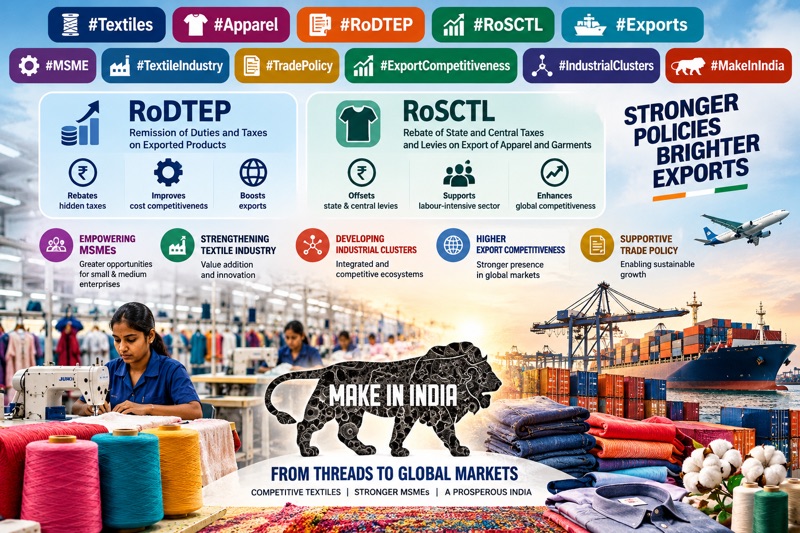
India has made strides in attracting foreign direct investment, but recent data show a declining trend. FDI inflows fell from $71 billion in FY22 to about $46 billion in FY24, reflecting concerns over regulatory uncertainty, protectionist trade moves, and global economic volatility. For a nation aspiring to become a manufacturing hub under “Make in India,” such a decline poses serious risks. Inclusive policymaking must ensure transparent regulations, faster clearances, and consistent trade policies that build investor confidence. More importantly, FDI should be channeled not just into capital-intensive sectors but also into labor-intensive industries—textiles, electronics assembly, agro-processing—where job creation can be maximized.
Weak Private Sector Investment: The “Animal Spirits” Problem
Private investment—often called the engine of growth—has also been subdued. Gross Fixed Capital Formation (GFCF) as a share of GDP has hovered around 30%, well below the levels needed to sustain 8%+ growth. Corporate balance sheets have improved, yet many companies remain hesitant to expand capacity, citing weak demand, high cost of capital, and policy uncertainty. Without vibrant private sector investment, India cannot fully utilize its demographic advantage or absorb its vast labor pool. A political economy that supports entrepreneurship, eases credit access for MSMEs, and reduces bureaucratic friction is critical to reviving private sector dynamism.
Towards Full Utilization of the Indian Economy
Full utilization of India’s economic potential requires mobilizing underutilized resources—both human and material. Despite having the world’s largest working-age population, labor force participation, especially among women, remains low at about 24%. Agricultural productivity is stagnant, absorbing millions in disguised unemployment who could be more productively employed in manufacturing and services. Bridging regional imbalances is equally important, as industrial hubs like Maharashtra, Tamil Nadu, and Karnataka surge ahead while eastern and northern states remain stuck in low-growth cycles.
Technology and Inclusion as Enablers
Technology can be the greatest equalizer if deployed inclusively. India’s digital public infrastructure—Aadhaar, UPI, and ONDC—has demonstrated how access to finance, markets, and services can be democratized. Extending such frameworks to agriculture (digital land records, agri-tech platforms), MSMEs (low-cost e-commerce integration), and education (EdTech for tier-2 and tier-3 cities) can ensure that the benefits of innovation reach beyond metropolitan elites.
Reconciling Growth with Equity
Globally, India aspires to play a leadership role in supply chains, climate action, and the knowledge economy. But this ambition must rest on domestic stability and fairness. Policymakers must balance reforms—such as privatization or subsidy rationalization—with social protection for vulnerable groups. Reforms succeed only when they are inclusive, gradual, and backed by transparent communication.
India’s rise cannot rest solely on high GDP figures. The current challenges of weak consumption, declining FDI, and subdued private sector investment are warning signals that inclusivity and confidence-building are urgent priorities. The true strength of the Indian economy lies in a political economy that embraces diversity, empowers its people, and creates pathways for all citizens to contribute meaningfully. Full utilization will not come from exclusionary growth but from inclusive progress—where economic power is broad-based, sustainable, and resilient.#InclusiveGrowth
#PoliticalEconomy
#FullUtilization
#ConsumptionCrisis
#DecliningFDI
#PrivateInvestment
#EconomicEquity
#IndiaGrowthStory
#SustainableDevelopment
#DemographicDividend




No comments:
Post a Comment